Common CNY Flower Mistakes: Wrong Colors, Counts & Messages
For Chinese New Year flowers, select auspicious colors like red, gold, and pink for good fortune, and choose stems with lucky numbers, such as 8 or 9. Go for the popular options like orchids, peonies, pussy willows, and kumquats to symbolize wealth and prosperity. It’s best to avoid flowers commonly associated with funerals or loss, particularly white or yellow ones, and arrangements with four stems, as they carry connotations.
How to choose flowers for the Chinese New Year and mistakes to avoid
During Chinese New Year, flowers aren’t just decorations — they’re wishes made visible. Choosing the right flowers for the Chinese New Year is important because flowers carry strong symbolic meanings in Chinese culture. Some flowers, like orchids, peonies, plum blossoms, peach blossoms, pussy willows, and kumquat trees, symbolize luck, prosperity, happiness, and new beginnings, making them essential for welcoming positive energy in the year ahead. The wrong selection can accidentally signal mourning, loss, or bad luck if the colors, flower types, or stem counts carry the wrong meaning. With a few simple guidelines, you can select good flowers for Chinese New Year confidently and avoid common CNY flower dos and don’ts that many people overlook.
Why flower symbolism matters more during the Lunar New Year
Chinese New Year is celebrated around the world, from family homes and temples to offices and shopfronts across Asia and global Chinese communities in cities like Singapore, Kuala Lumpur, Bangkok, London, Vancouver, Sydney, and New York. The New Year period is considered a time when energy is reset. This is typically marked by thorough home cleaning, debt settlement, and the establishment of new intentions. Wherever it’s celebrated, the same idea is expressed in local styles: Chinese New Year plants at entrances, Chinese plants for luck near living spaces, and bright blooms placed where the new year’s energy can “arrive. To attract prosperity, many businesses use Chinese New Year plants like lucky bamboo near cash registers while families display blossoming branches for new beginnings, and Mandarin orange trees symbolize wealth.
Incorrect floral choices can disrupt intentions; for instance, white flowers are linked to funerals, and yellow chrysanthemums to memorials. Dying plants symbolize stagnation and declining luck. Thus, making the best Chinese New Year flower arrangement is crucial for gifting or decorating. Popular choices include vibrant orchids on entry tables, peach blossoms near doorways, and golden kumquat trees resembling treasure chests. Selecting good flowers for the Chinese New Year reflects wishes for happiness, growth, and abundance throughout the year.
How to Choose Flowers for the Chinese New Year and Mistakes to Avoid?
Step 1: Start with auspicious colors
Red → luck & protection
Pink → romance & harmony
Gold/Orange → wealth
Purple → nobility
Avoid:
White
Pale yellow
Blue-grey tones
Step 2: Choose the Best Flowers for Chinese New Years
Closed or partially open flower buds represent growth and new opportunities.
Match the flower to the intention of the space
Select soft flowers that promote harmony in the home. For offices or shops, choose bold blooms that symbolize progress and confidence.
Avoid strong or overpowering scents
During Chinese New Year, choose lightly scented or fragrance-free flowers, as they create a calm, welcoming atmosphere without being overpowering.
Step 3: Mind the numbers (Stem Counts matter!)
During Chinese New Year, the number of flower stems is important, as each count carries meaning and luck.
Even numbers like 2, 6, and 8 are favored for their associations with balance and positive outcomes.
Lucky:
8 stems- wealth
2 stems – togetherness
multiples of 6 or 8 -smoothness
Avoid:
4 stems – sound like the word for “death.”
odd dying branches
By choosing the right number of stems, flower arrangements become more meaningful and help welcome positivity, luck, and success into the new year.
Step 4: Choose healthy Chinese New Year plants only
no wilted leaves
no dropping petals
buds + blooms combination preferred
Healthy plants = growing fortune
Avoid plants with negative meanings
Steer clear of plants linked to loss or sadness, such as dried flowers or thorny plants, during Chinese New Year celebrations.
Pick plants that fit your space
Whether for home or office, choose Chinese New Year plants that suit your space and are easy to maintain throughout the festive season.
Select colours that feel festive
Plants with red, pink, yellow, or gold tones are popular for the Chinese New Year, as these colours symbolise happiness, luck, and prosperity.
Common Chinese New Year Flower Mistakes to Avoid
❌ Choosing white or funeral-associated flowers
White flowers are often associated with mourning, so it’s best to avoid them during Chinese New Year celebrations.
❌ Gifting chrysanthemums
Chrysanthemums are beautiful flowers, but in Chinese culture, they are often associated with funerals. Because of this, they are not the best choice for festive gifts.
❌ Using unlucky numbers in arrangements
Specific numbers can symbolise loss or bad luck. It’s essential to be mindful of stem counts when selecting Chinese New Year flowers.
❌ Decorating with dead or artificial plants
Wilted flowers or fake plants symbolise stagnant energy and do not align with the idea of growth and renewal.
❌ Creating overcrowded flower arrangements
Too many flowers mixed can block positive energy. Simple, balanced Chinese New Year flower arrangements are always preferred.
Chinese New Year Flower Styling Tips
Height variation symbolizes rising success
Arrange flowers at different heights to make it visually interesting. Tall stems symbolize growth, while shorter ones offer balance and success.
Gentle odd layering
Styling flowers in soft odd layers (like 3 or 5 groupings) creates a natural, flowing look that feels lively and harmonious, complementing the symbolic meaning of stem counts.
Choose red or gold pots and vases
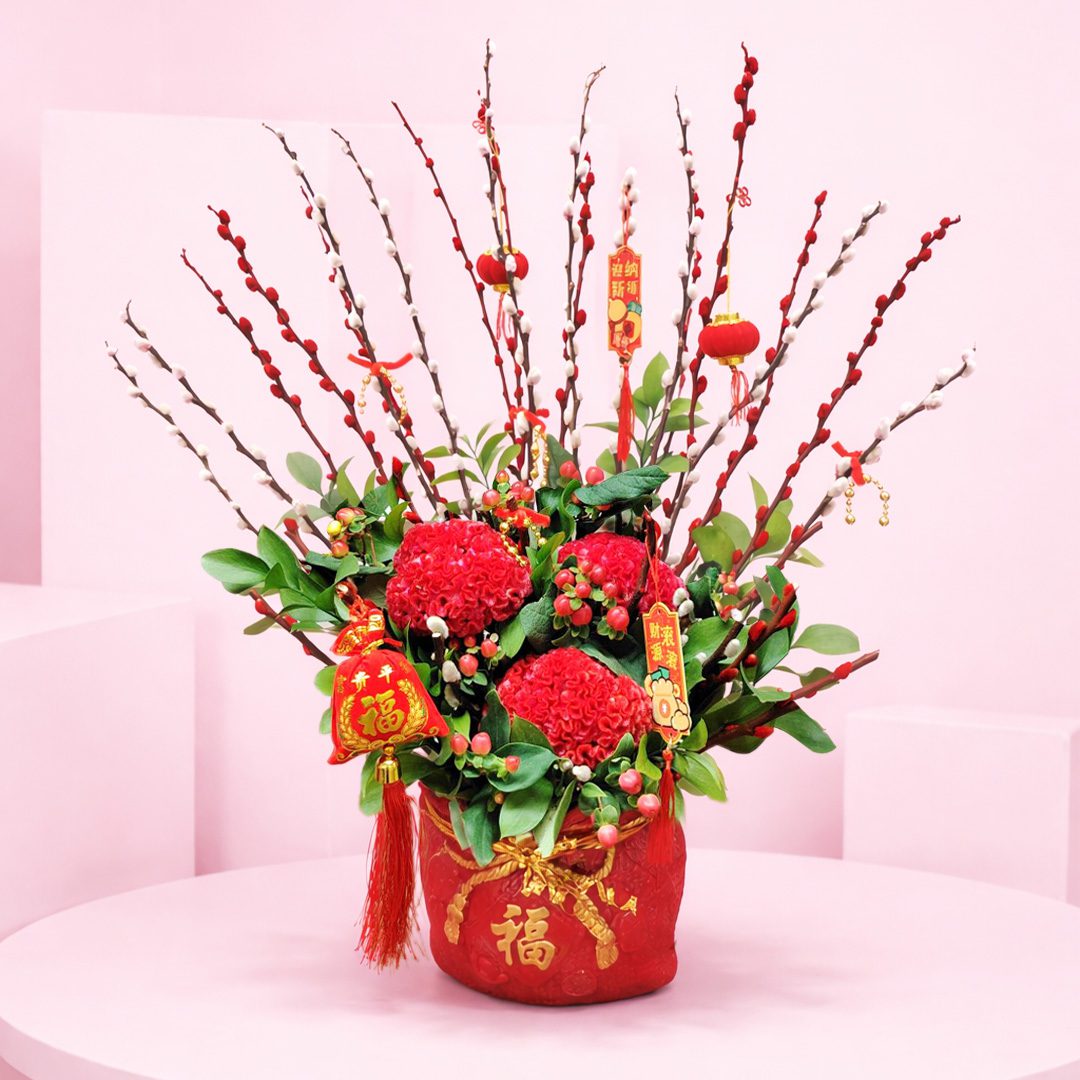
Red and gold containers symbolize luck, prosperity, and happiness. Keep the design clean so the vibrant colours enhance the flowers without overpowering them.
Add subtle festive accents
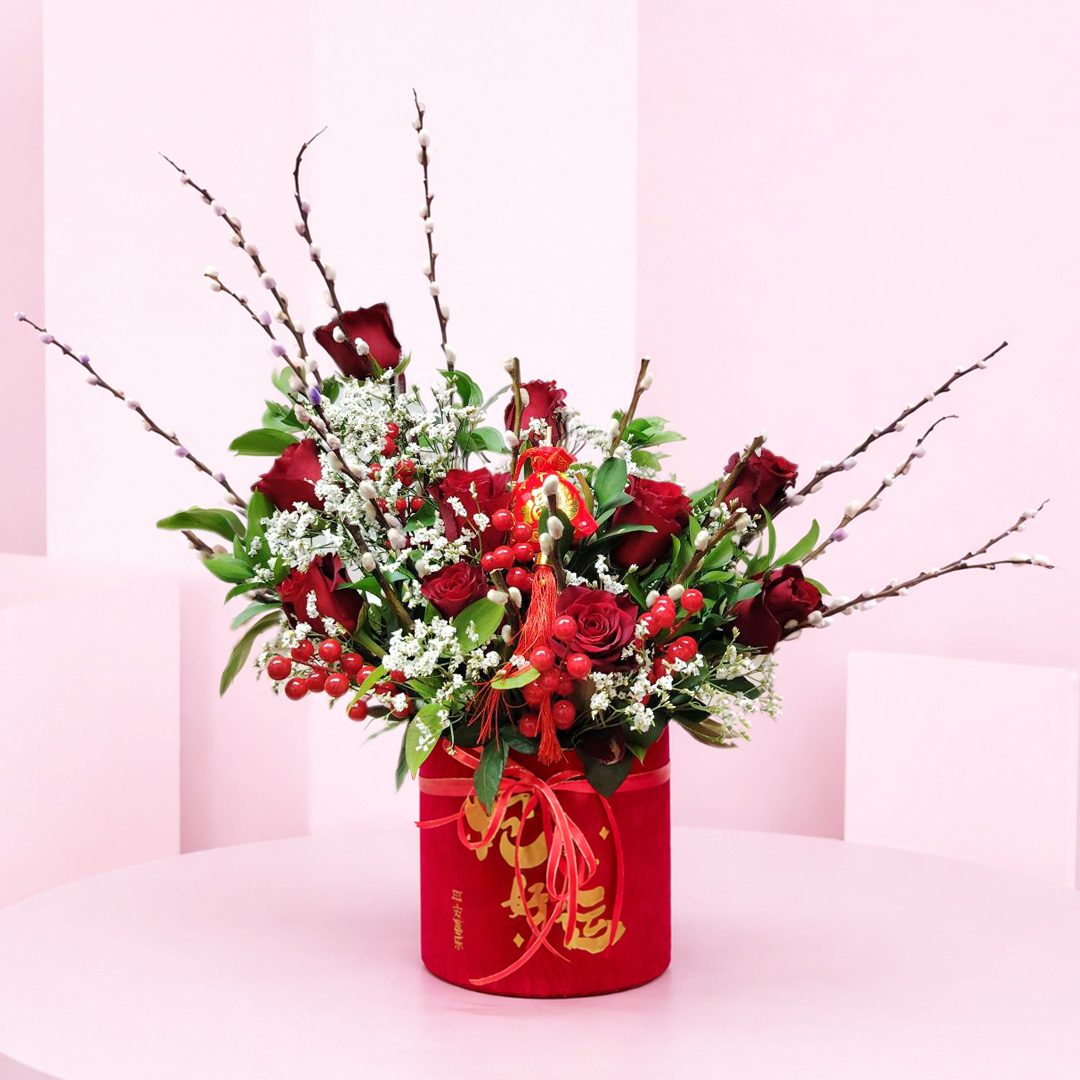
Incorporate small touches like a red ribbon, a gold charm, or a lucky coin to give your arrangement a festive feel and personal charm.
Limit your colour palette
Use one or two primary colors for an elegant look. Red, pink, yellow, and gold are popular choices that symbolize joy and wealth.
Leave space between stems
An airy arrangement looks elegant and promotes the flow of positive energy, symbolizing openness and new opportunities.
Place arrangements strategically
Display flowers near the main entrance, living room, or wealth corners to welcome good fortune and positive energy into your home.
Avoid bathrooms and kitchens
Bathrooms and kitchens are considered low-energy areas. Keeping flowers away from these spaces helps preserve their symbolic meaning and enhances luck.
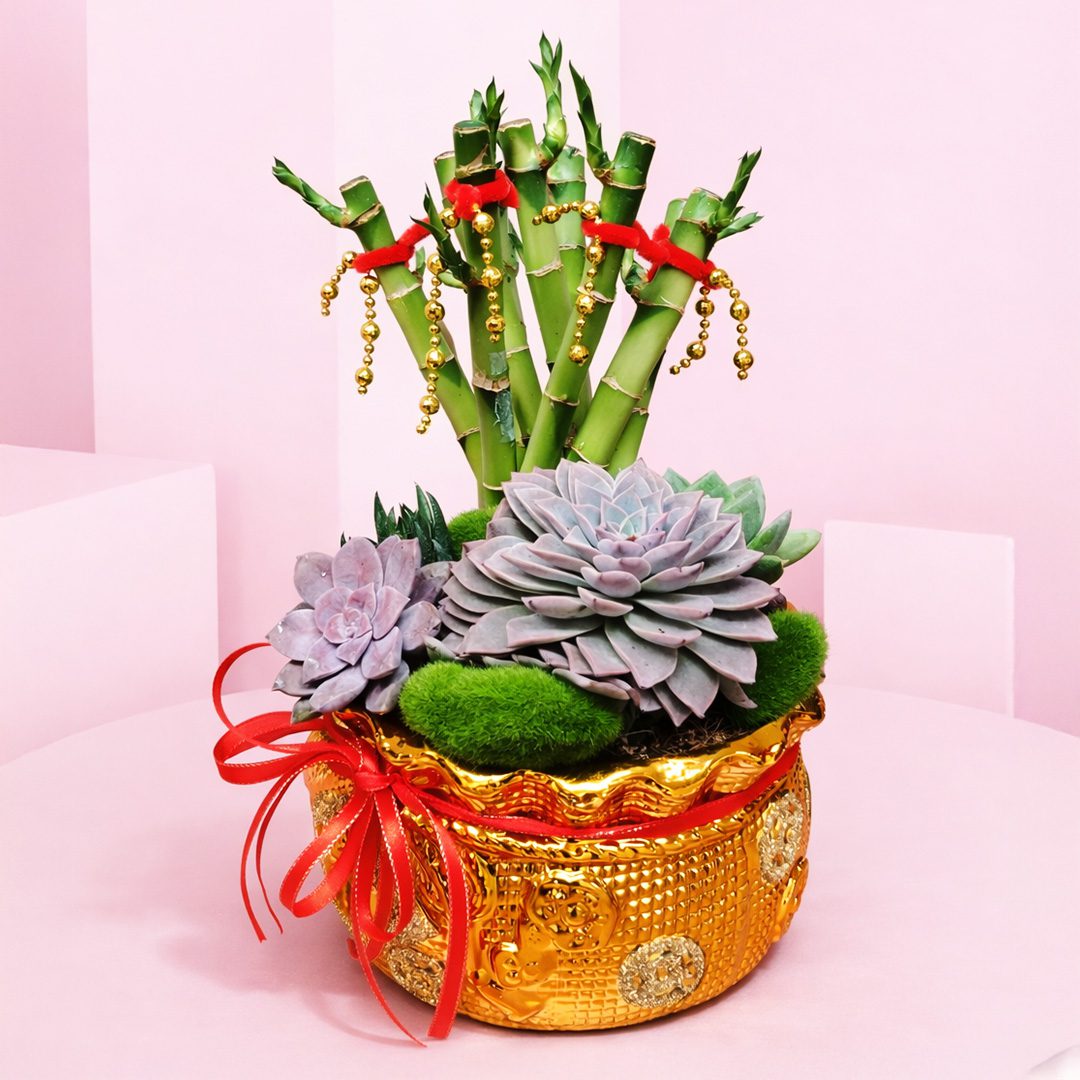
Lucky Bamboo – Brings luck, happiness, and harmony.
Orchids – Symbolize beauty, abundance, and positive energy.
Peach Blossoms – Stands for love, growth, and new beginnings.
Kumquat Trees – Their bright fruits stand for wealth and prosperity.
Plum Blossoms – Show resilience and hope as they bloom even in winter.
Money Plants – Believed to attract wealth and good fortune to your home or office.
How to Choose Flowers for Chinese New Year Gifts?
Here’s a quick guide for choosing the right flowers for the Chinese New Year different recipients:
For Parents – Orchids
Gifting orchids to parents shows respect, love, and wishes for their continued health and prosperity in the coming year.
For Business Partners – Kumquat or Money Tree
Kumquat trees and money plants make thoughtful gifts for business partners, expressing hopes for growth, prosperity, and smooth collaborations in the new year.
For Newlyweds – Peonies
Giving peonies to newlyweds shows support for their love and celebrates their new life together.
For Friends – Pussy Willows
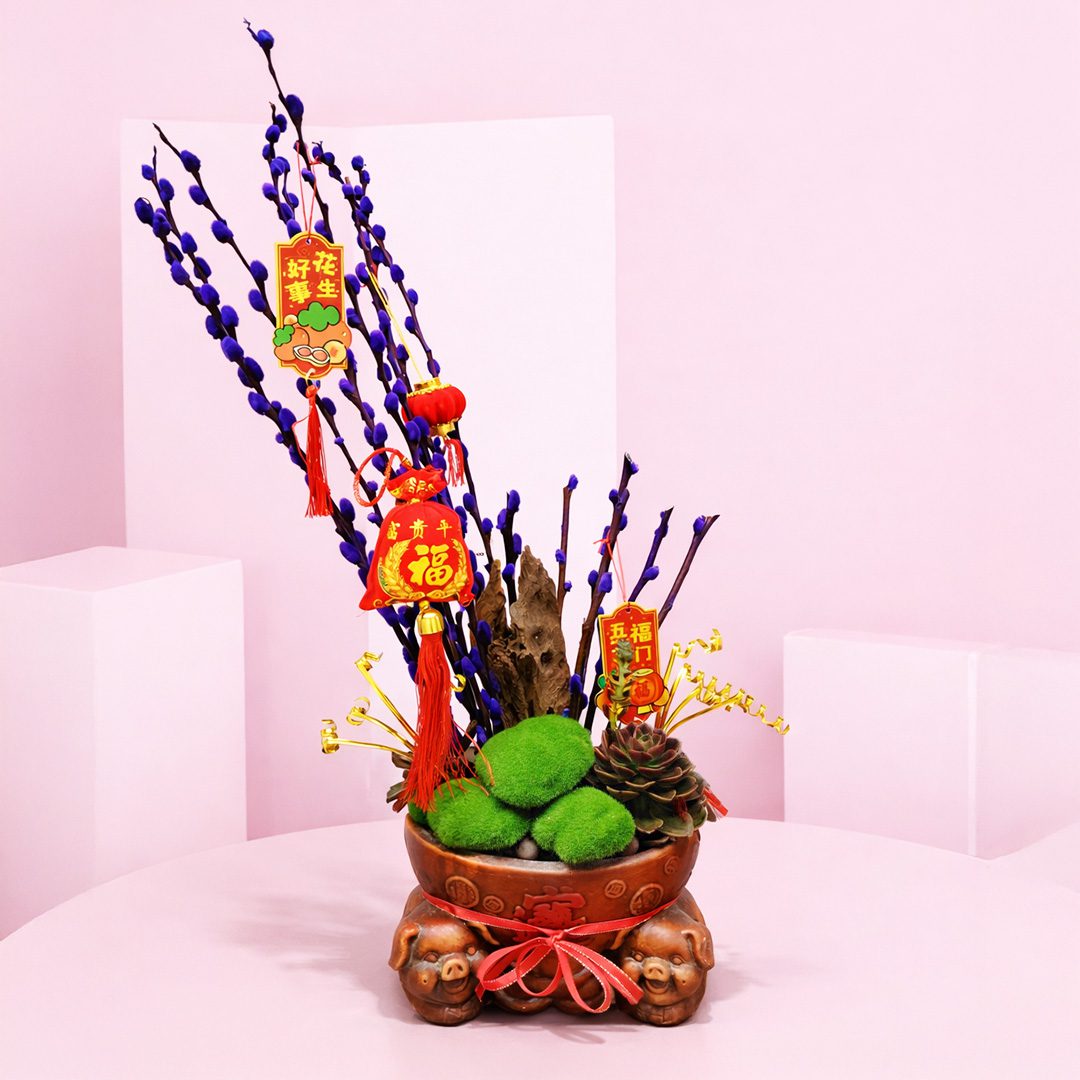
Giving Pussy willows to friends is a cheerful way to wish them good luck, fresh opportunities, and happiness throughout the year.
Let Your Flowers Speak Prosperity
Chinese New Year is a great time to use flowers to express your wishes. Each flower has a special meaning, such as luck, wealth, love, and happiness. When you choose the right flower arrangement for CNY and give it with care, you’re not just adding decoration; you are inviting prosperity, positive energy, and new beginnings for the year ahead. This Lunar New Year, order the best Chinese New Year flowers and let your flowers reflect your wishes and speak the language of abundance.
FAQs
What flowers are lucky for the Chinese New Year?
Orchids, peonies, peach blossoms, kumquat trees, and lucky bamboo symbolize wealth, growth, and prosperity.
Are chrysanthemums bad for the Chinese New Year?
Yes. White and yellow chrysanthemums are associated with funerals and mourning in Chinese culture.
How many flowers should I use in an arrangement?
Use 8 or 9 stems. Avoid 4 stems because it sounds like “death.”
Can I use artificial flowers?
Fresh plants are preferred because living growth represents living fortune.
Where should I place my Chinese New Year flower arrangement?
Near entrances, living rooms, or wealth corners — not bathrooms or dark storage spaces.