
Funeral Flower Guide: Choose the Right Sympathy Flowers
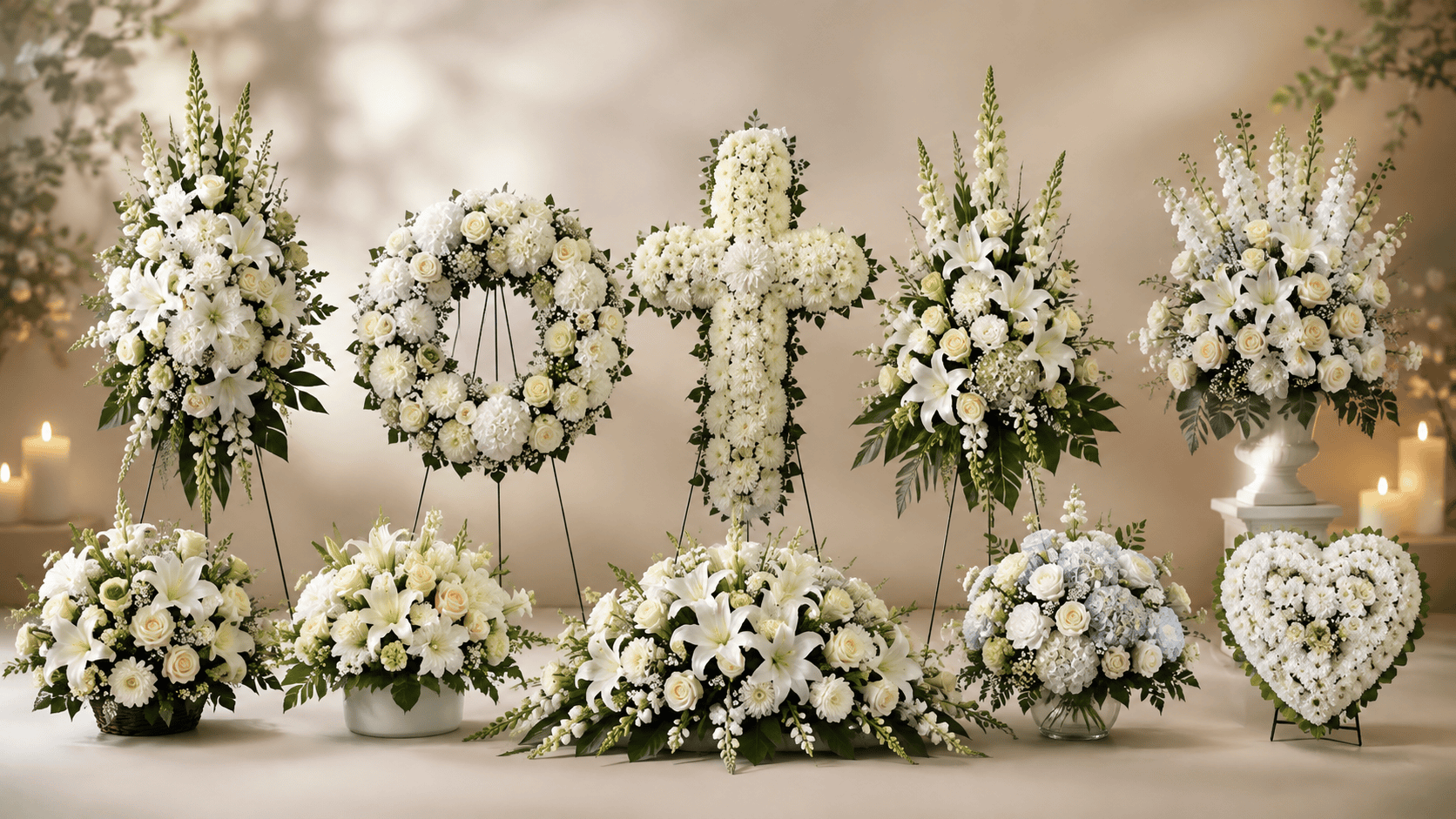
Funeral flowers are floral arrangements sent to honour someone who has passed away or to comfort their grieving family. Common funeral and sympathy flowers include white lilies, chrysanthemums, roses, carnations and orchids, while wreaths, condolence stands, sprays and sympathy baskets are often chosen for funerals and memorial services.
The right choice depends on your relationship with the deceased, where the flowers will be displayed and the family’s cultural or religious customs. Funeral flowers are not all about white lilies or white roses. Different flowers and colors can express peace, remembrance, love, respect or strength, making it important to choose a tribute that suits the occasion.
Funeral flowers can also express emotions that are difficult to put into words. As one funeral provider explains, “Funeral flowers have long been associated with expressing sympathy, love, and reverence.” They offer a quiet and meaningful way for family, friends and colleagues to communicate compassion and remembrance.
However, not every flower, colour or arrangement is appropriate for every situation. A formal funeral wreath may suit a wake or memorial service, while a sympathy bouquet or basket may be more appropriate when sending condolences directly to the grieving family.
This guide explains the best flowers for funerals, their meanings and colours, suitable funeral flower arrangements, and how to choose a respectful tribute based on your relationship and the family’s customs.




What Are Flowers for a Funeral Called?
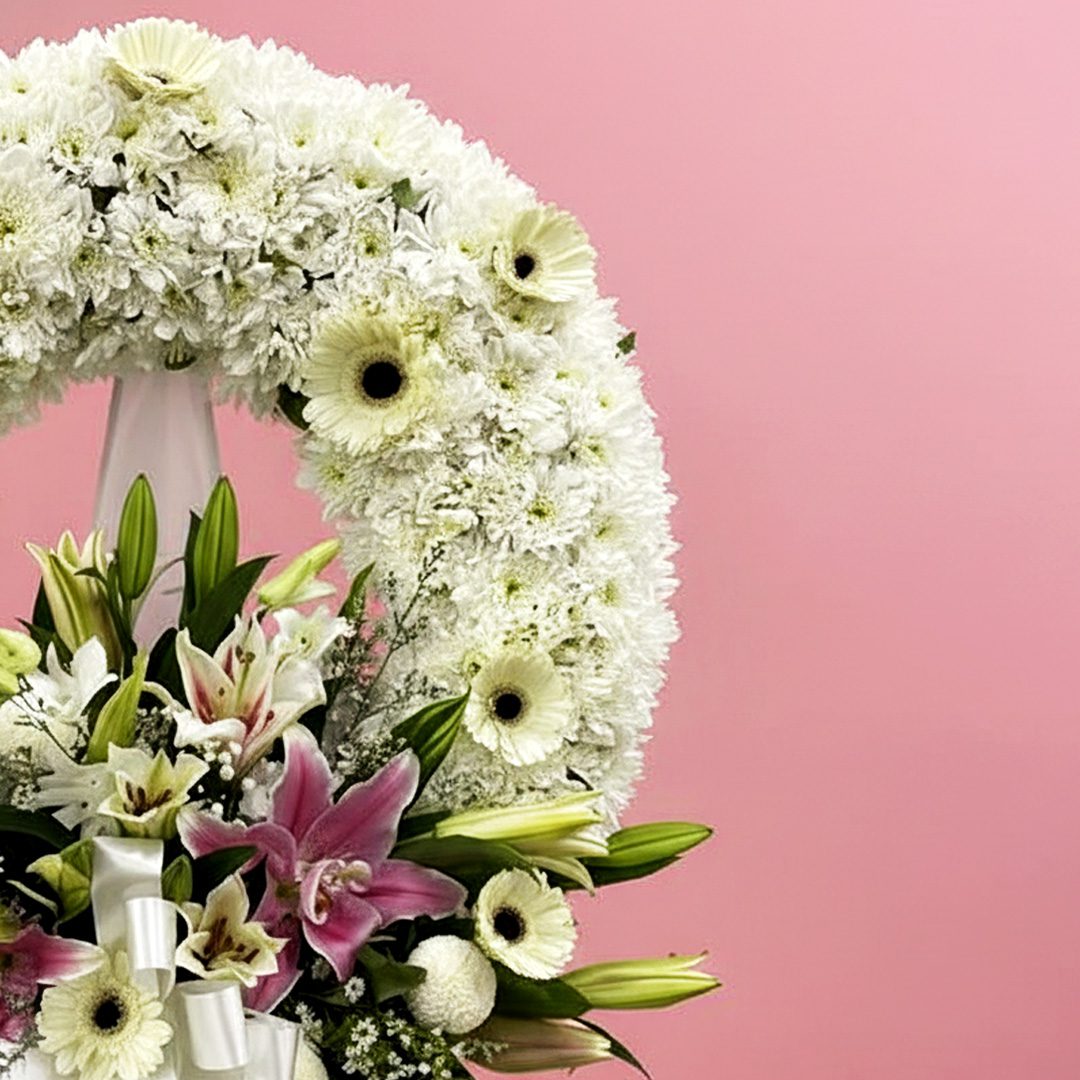
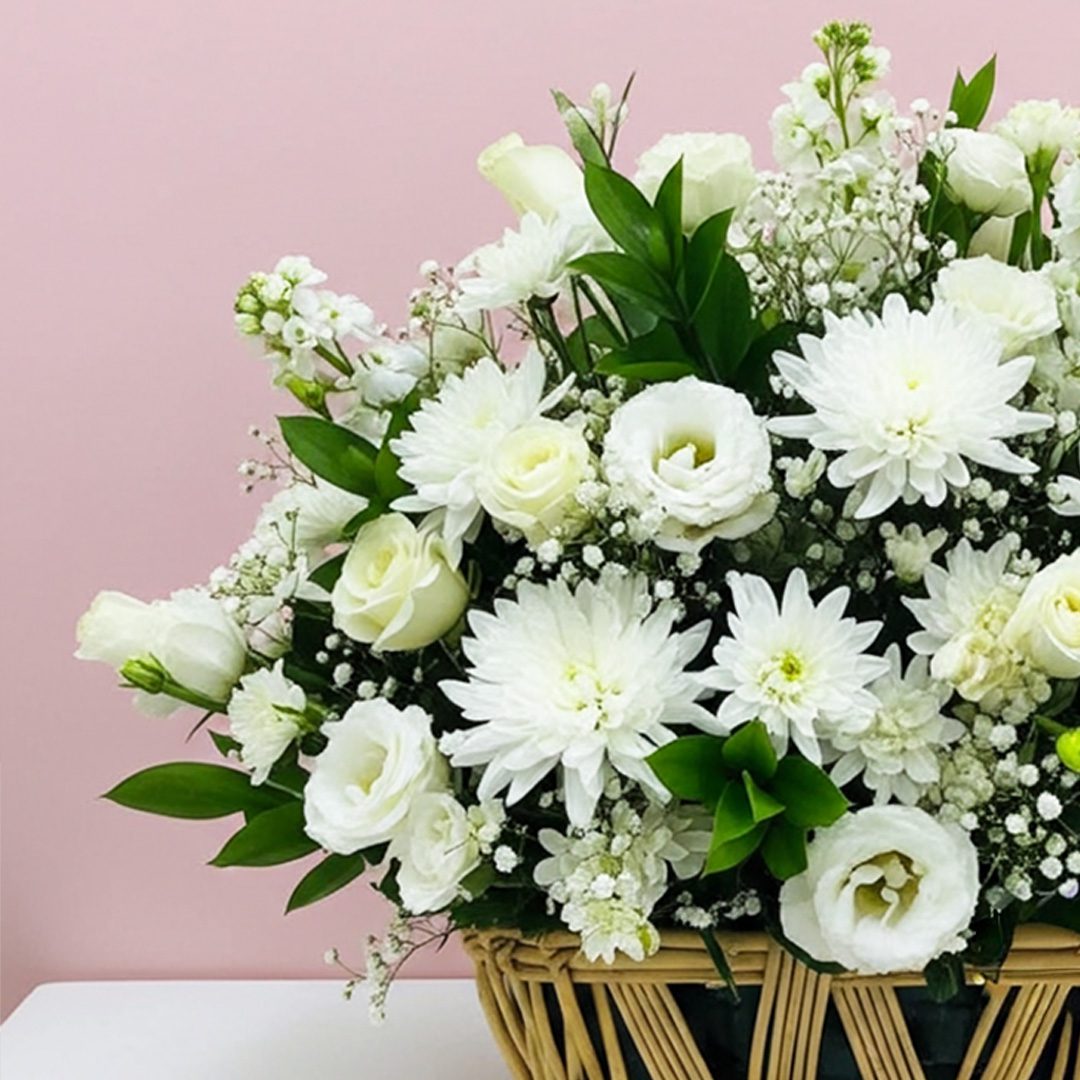
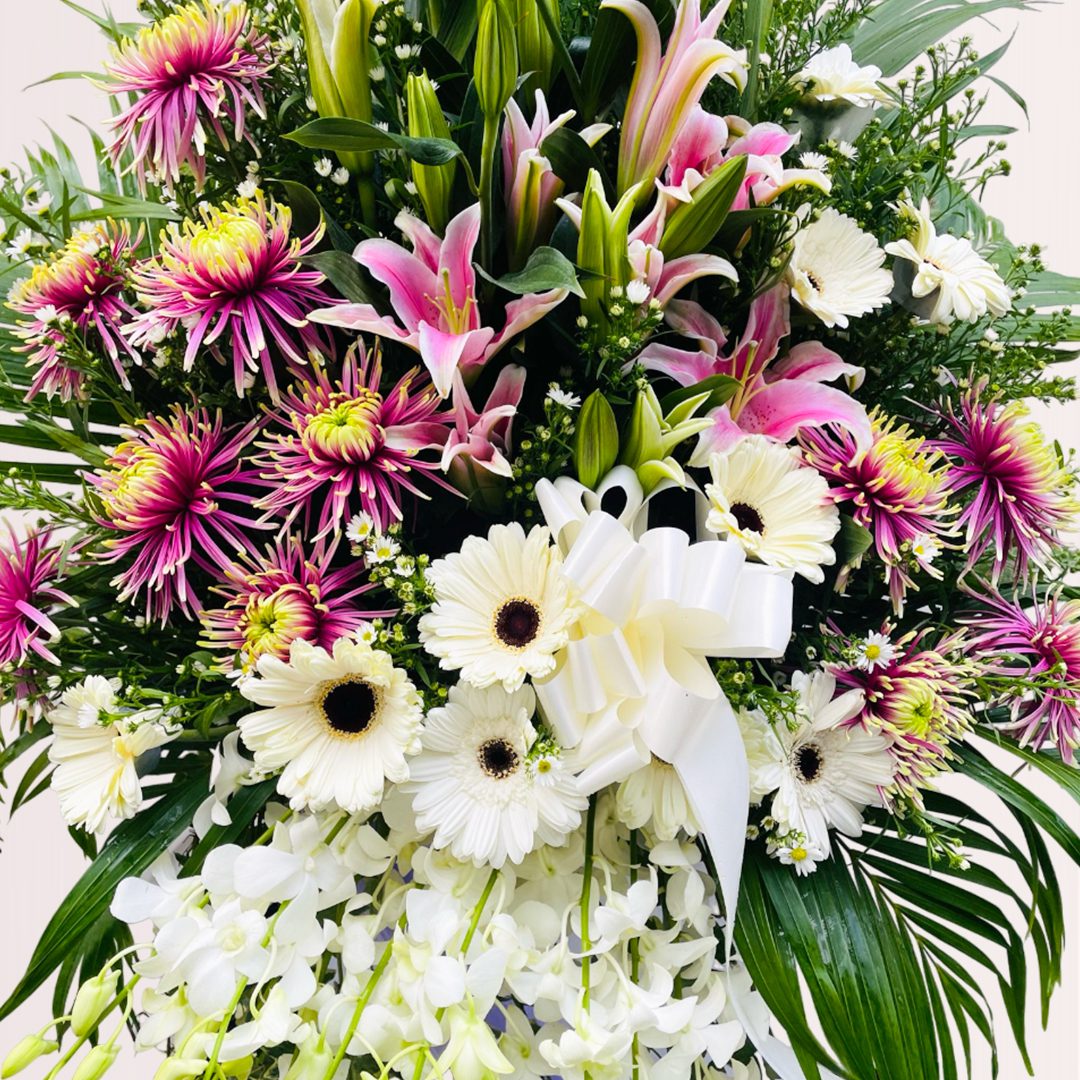
Flowers sent for a funeral are commonly called funeral flowers, condolence flowers, sympathy flowers or bereavement flowers. Depending on the arrangement, they may also be called funeral wreaths, condolence stands, standing sprays, casket sprays, sympathy baskets or funeral bouquets.
What Flowers Are Best for Funerals and Memorial Services?
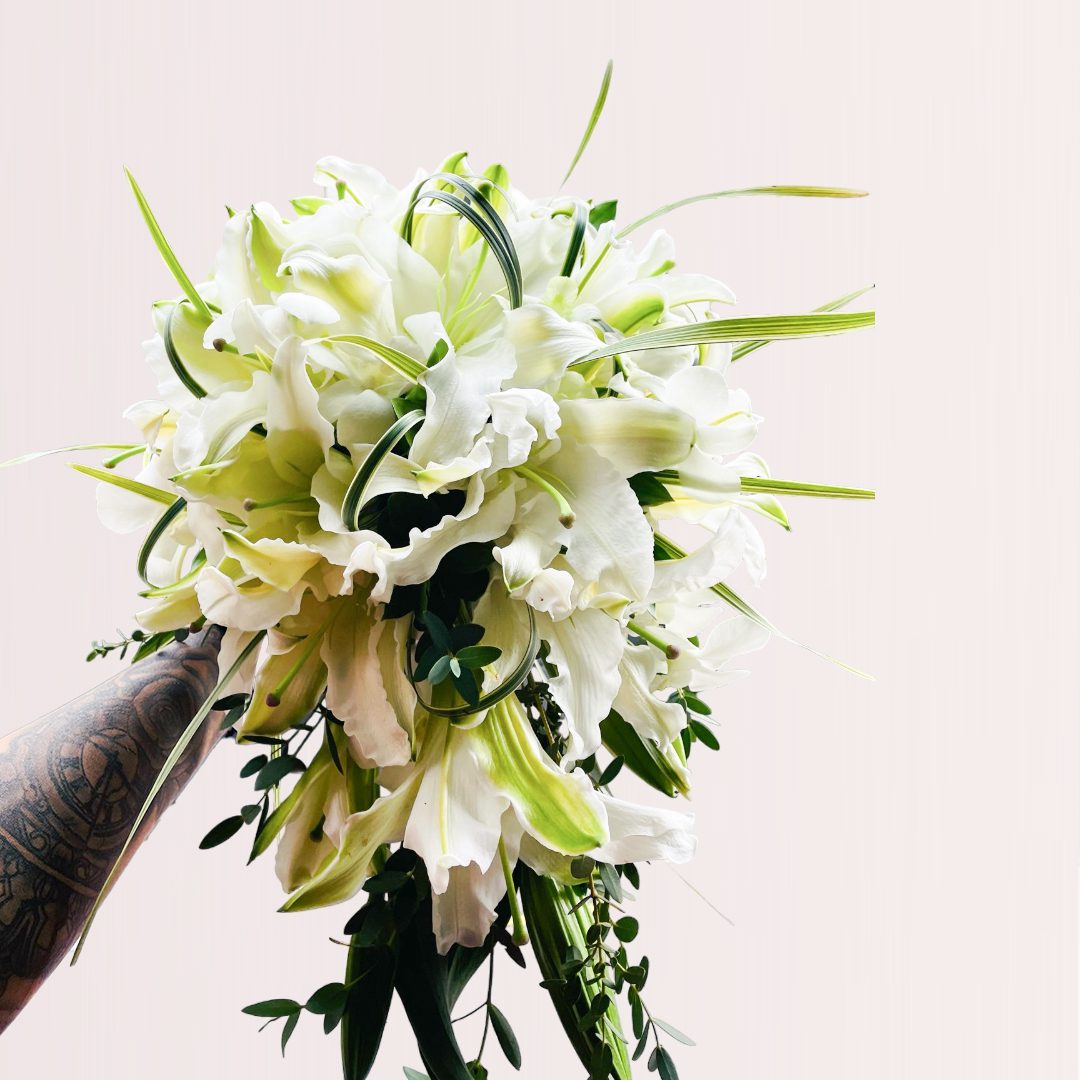
White lilies, chrysanthemums, roses, carnations and orchids are among the most commonly chosen flowers for funerals and memorial services. White and soft-coloured flowers are generally preferred because they convey peace, remembrance and respect. The most appropriate choice can vary according to the family’s culture, religion and personal preferences.
| Funearl Flower | Common meaning | Suitable use |
|---|---|---|
| White lilies | Peace, purity and remembrance | Funeral services and sympathy arrangements |
| Chrysanthemums | Honour and remembrance | Wreaths, stands and traditional tributes |
| White roses | Respect and remembrance | Wreaths, bouquets and sprays |
| Carnations | Remembrance and lasting affection | Wreaths and larger arrangements |
| Orchids | Respect and enduring affection | Condolence stands and elegant tributes |
| Gladiolus | Strength and sincerity | Standing sprays and formal arrangements |
| Hydrangeas | Heartfelt emotion and sympathy | Baskets and softer arrangements |
What Colour Flowers Are Appropriate for a Funeral?
Choosing the right colour is a major part of the message.
| Funeral Flower Color | Common message |
|---|---|
| White | Peace, purity, remembrance and respect |
| Cream | Calm, sympathy and understated respect |
| Pale yellow | Remembrance and warmth |
| Soft pink | Compassion and affection |
| Lavender / purple | Dignity and remembrance |
| Soft blue | Calm and serenity |
TIP: White, cream and other muted colours are generally safe choices when you are unsure. Even You can use red flowers, if you are close to the departed one’s family. However, colour meanings can differ between cultures and religions in Malaysia, so always consider the family’s customs before choosing a strongly coloured arrangement. If you’re unsure, opt for white with one accent color (blue or lavender) to strike a balance between respect and personal style.
Which Funeral Flowers Should You Send?
| Your relationship / situation | Suitable choice |
|---|---|
| Immediate family | Casket spray, large wreath or personalised tribute |
| Relative | Wreath, condolence stand or funeral basket |
| Friend | Condolence stand, sympathy basket or bouquet |
| Colleague | Formal condolence stand or wreath |
| Company / organisation | Condolence flower stand or formal wreath |
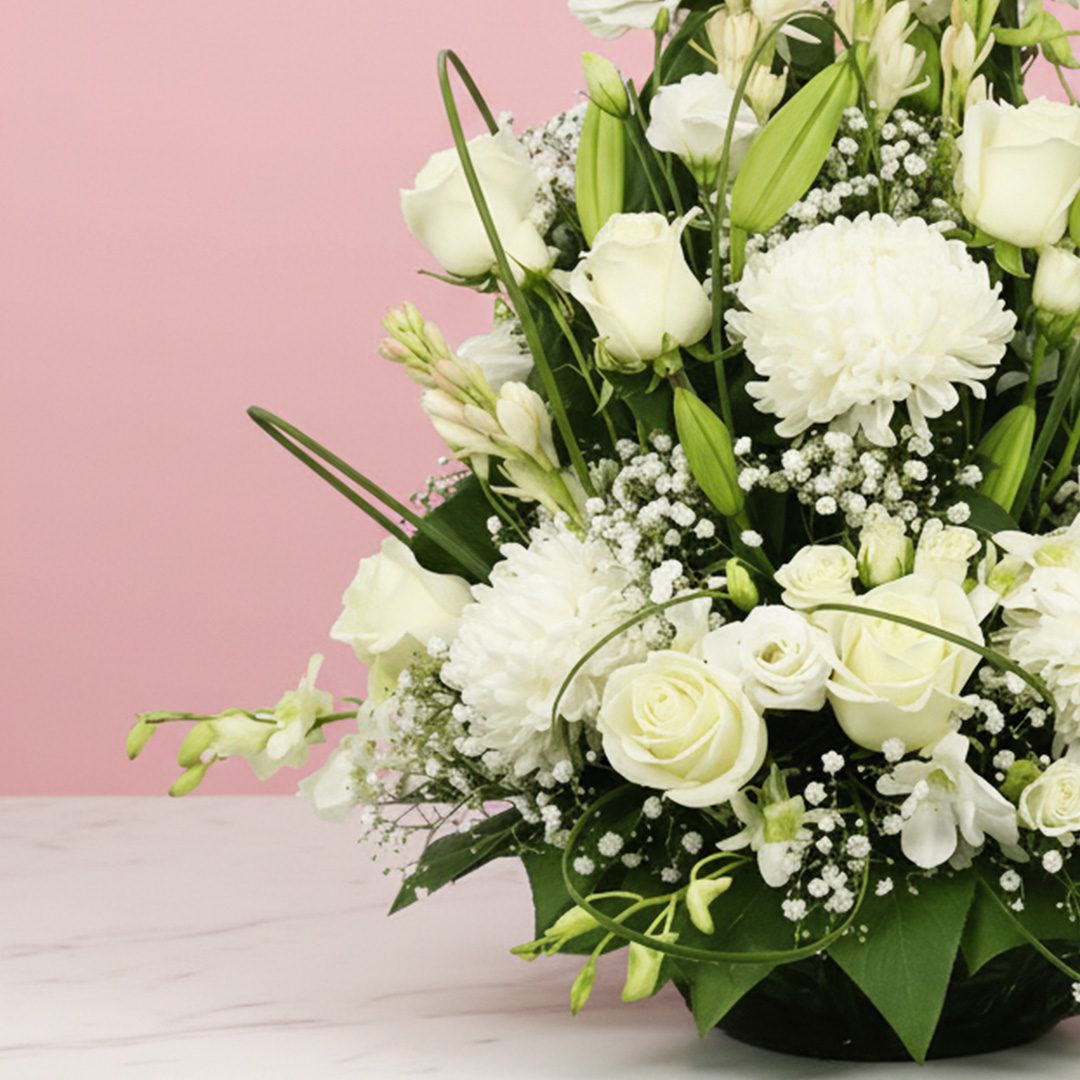
| Sending to the family’s home | Sympathy basket, vase arrangement or bouquet |
Large arrangements such as casket sprays are normally coordinated by the immediate family, while friends, colleagues and companies can choose wreaths, condolence stands, sympathy baskets or smaller arrangements depending on the venue.



Consider Cultural and Religious Customs in Malaysia
Funeral flower customs can differ between Malaysian families and religious traditions. White and subdued colours are often chosen for condolences, while some families may prefer particular flowers, colours or no floral tribute at all. Before sending flowers, check the family’s wishes when possible, especially when you are unfamiliar with their customs.




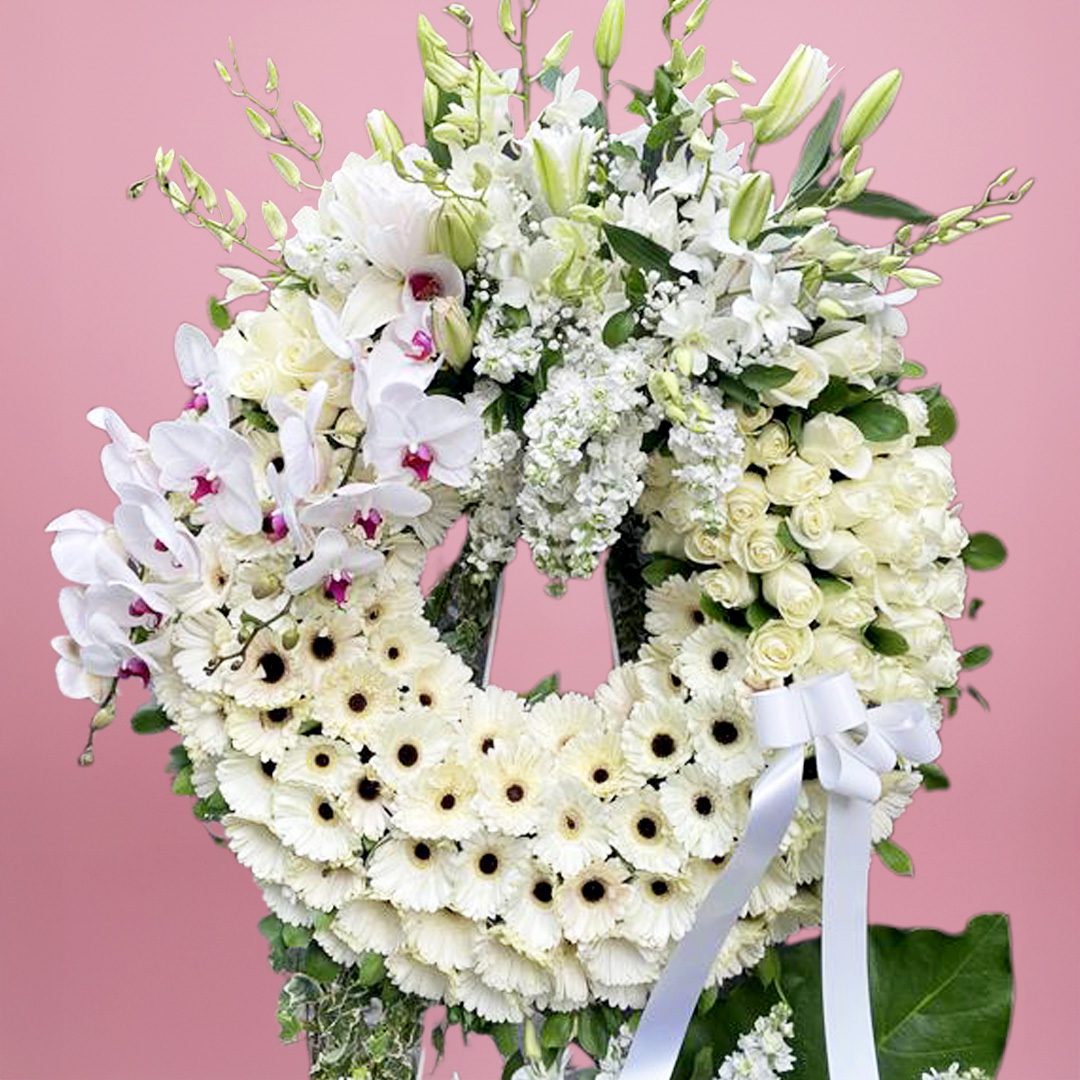
Which Funeral Flower Arrangement Should You Choose?
Different occasions call for different designs. Sending the wrong type can feel tone-deaf — like showing up overdressed to a wake.
| Arrangement | Most suitable for |
|---|---|
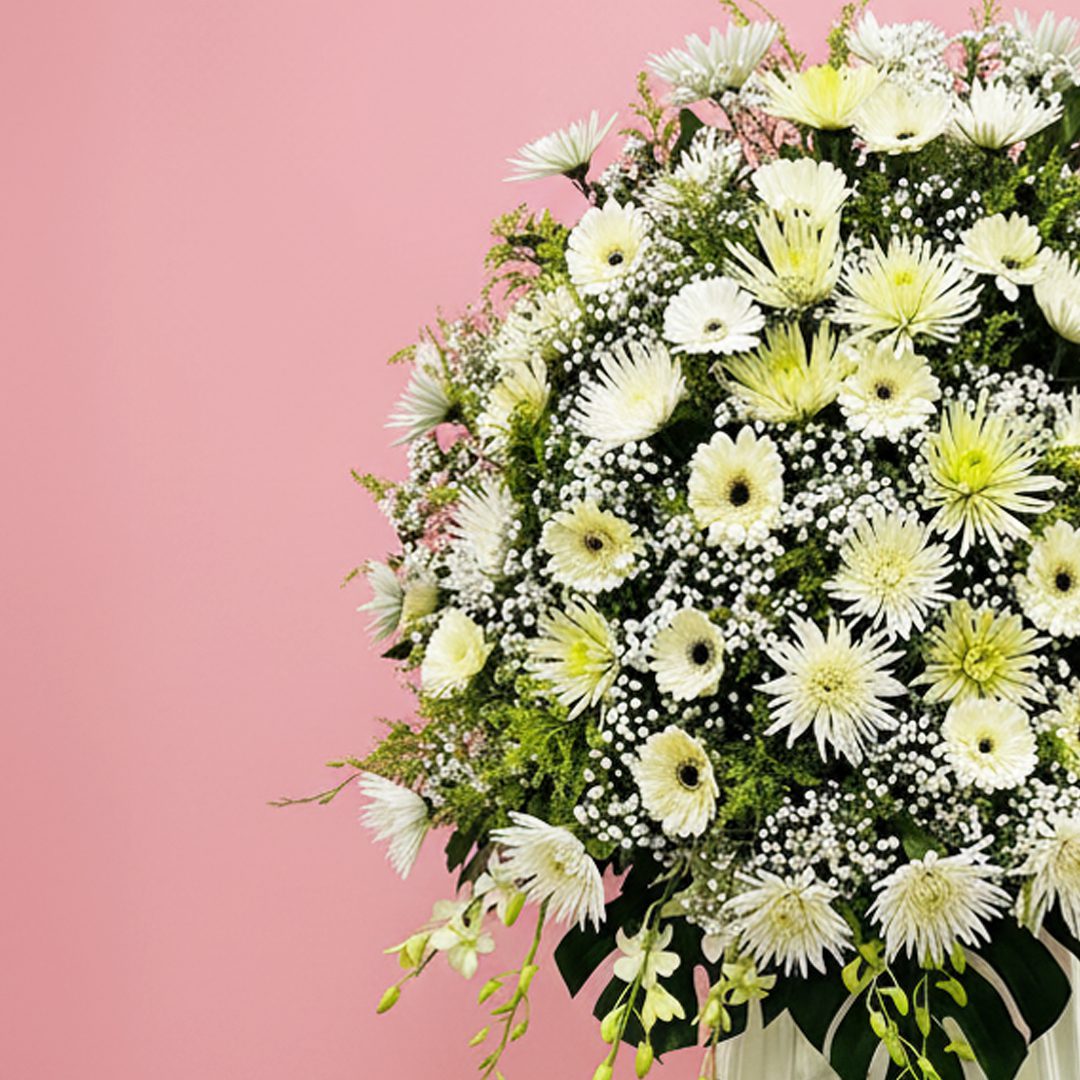
| Funeral wreath | Funeral halls, wakes and memorial services |
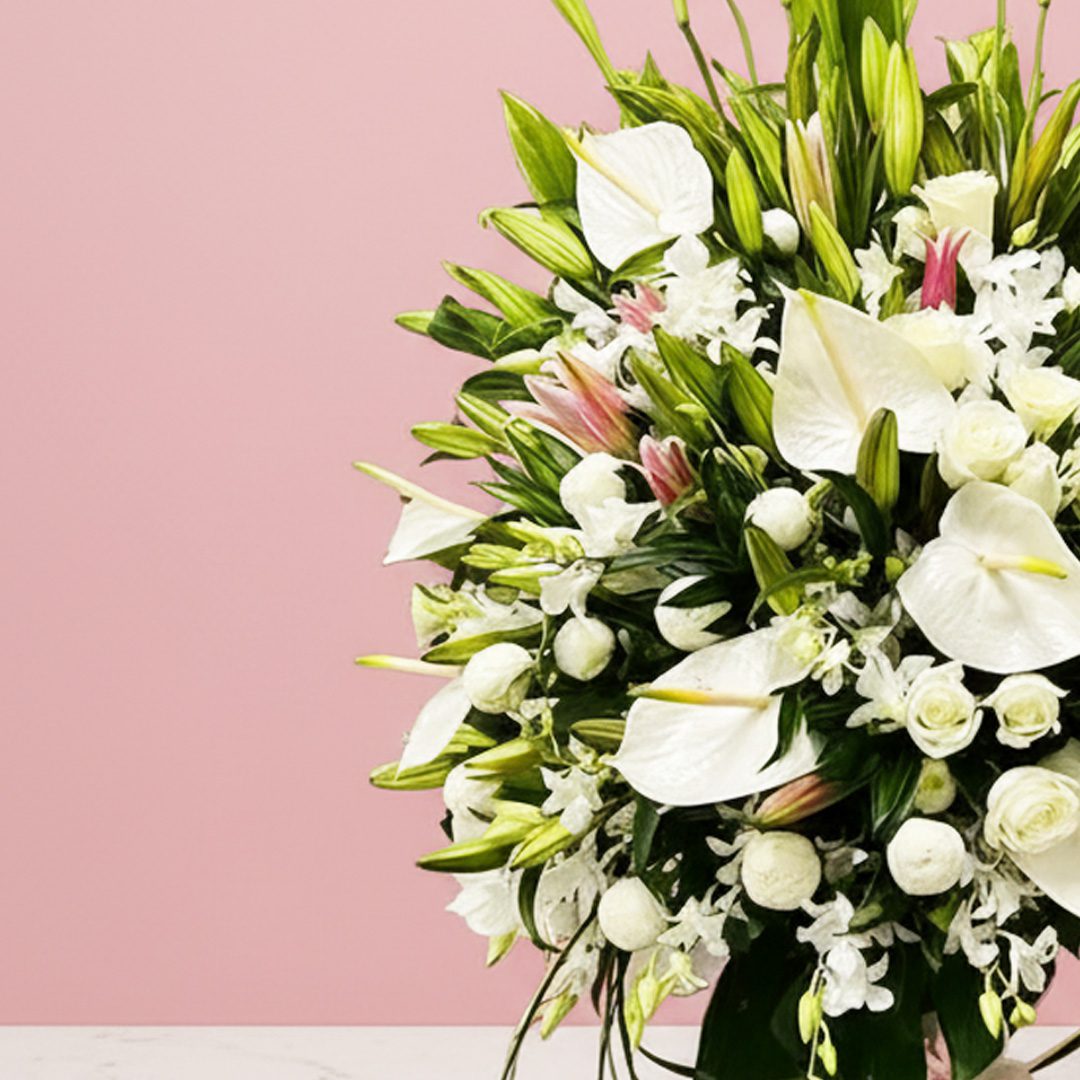
| Condolence flower stand | Friends, colleagues and corporate condolences |
| Casket spray | Usually arranged by immediate family |
| Sympathy basket | Family homes, offices or personal condolences |
| Condolence bouquet | Simple personal expressions of sympathy |
In major Malaysian cities such as Kuala Lumpur, Penang, and Johor Bahru, many florists now offer hybrid arrangements — simple yet elegant displays that respect both cultural and religious traditions.
Tip: If you’re unsure, speak to your florist. Reputable florists familiar with Malaysian customs (like wenghoa) and funeral etiquette can recommend arrangements that align with the family’s culture and the tone of the ceremony.
How to Send Flowers to a Funeral or Memorial Service?
- Confirm the name of the deceased.
- Confirm the funeral hall, wake venue or family’s address.
- Check the funeral or memorial date and service time.
- Choose an appropriate wreath, stand, basket or bouquet.
- Select flowers and colours that suit the family’s customs.
- Add a short condolence message and your full sender name.
- Provide a contact number for the venue or recipient where possible.
- Arrange delivery early enough for the flowers to be received before the relevant service.


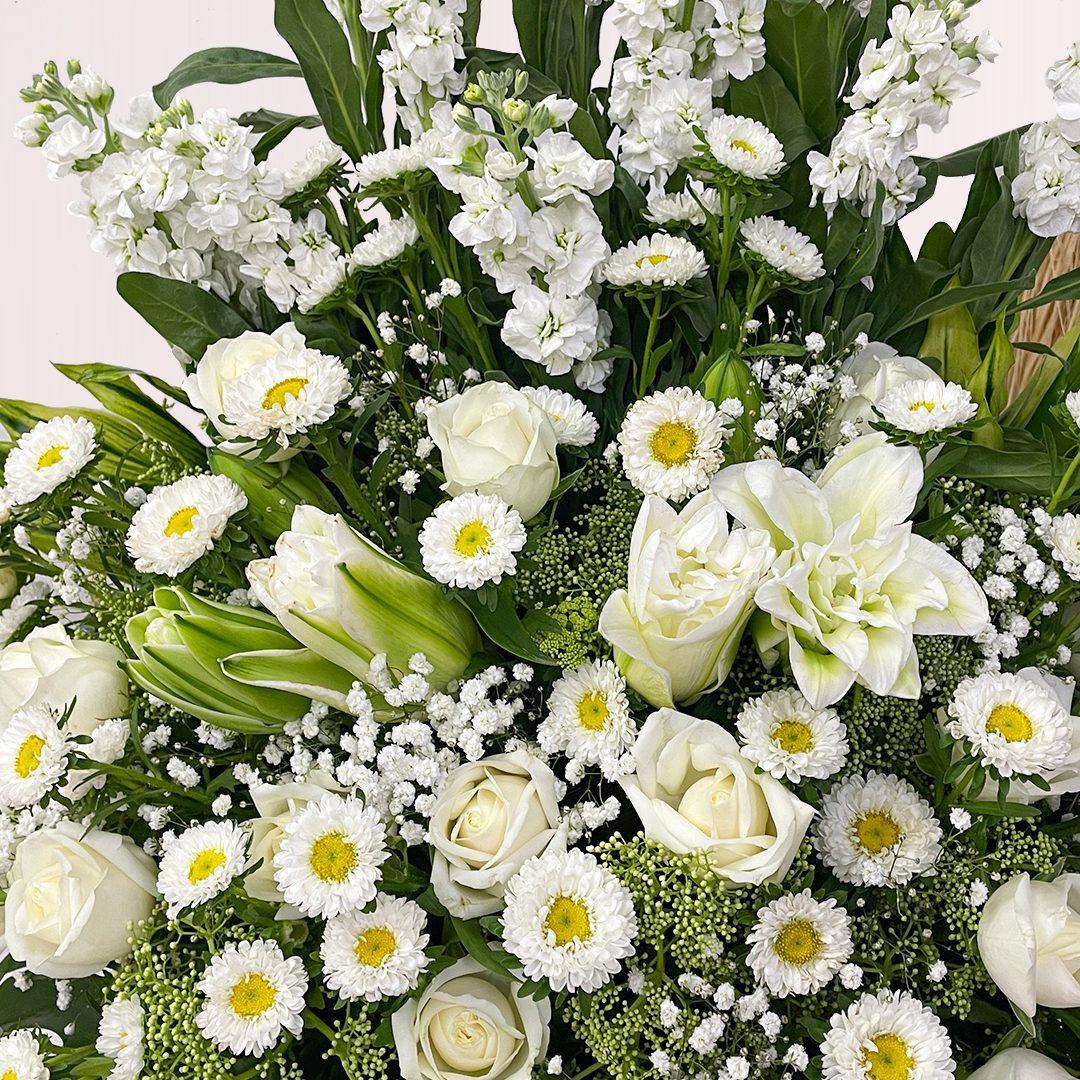

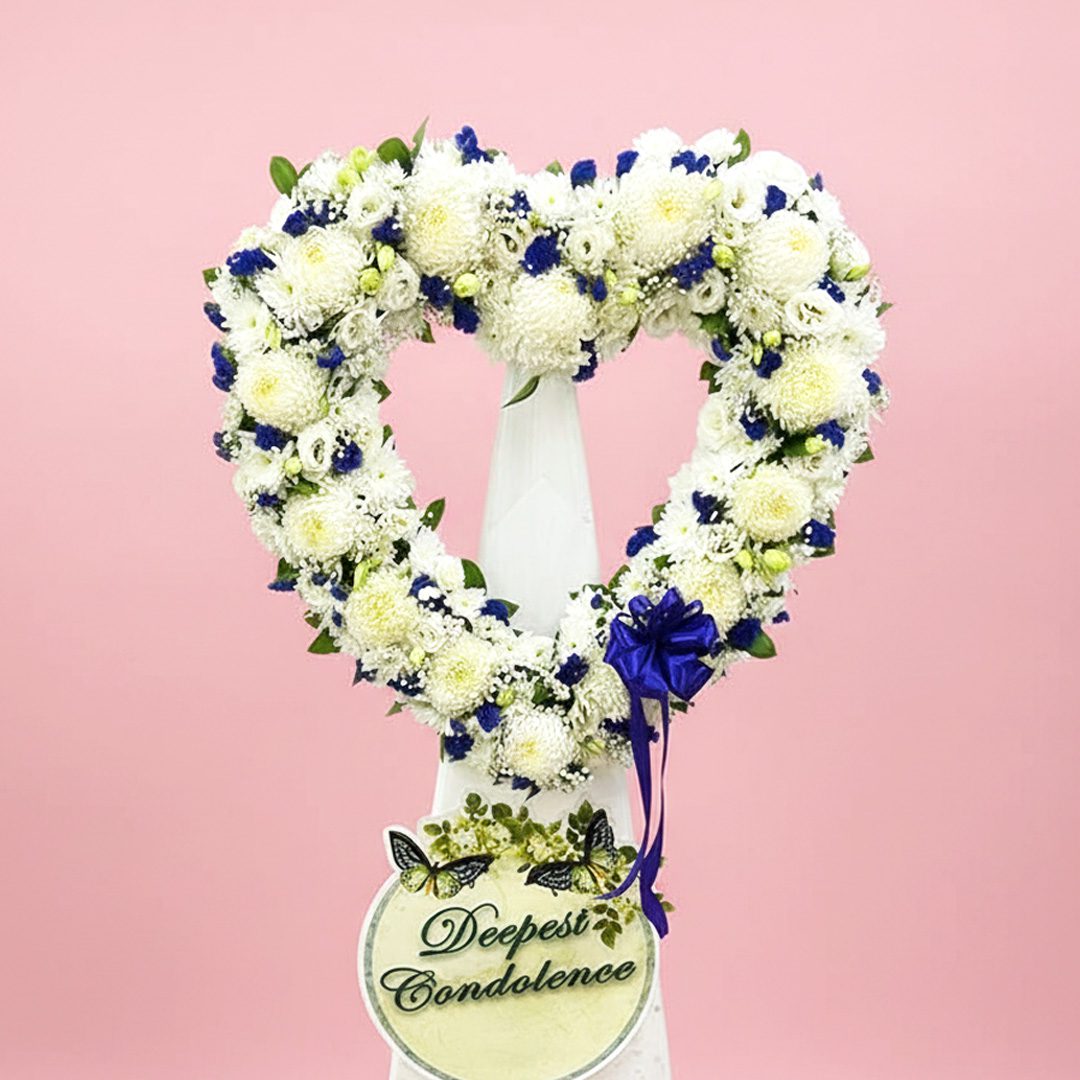
5 Mistakes to Avoid When Sending Funeral Flower
- Choosing flowers without considering cultural or religious customs.
- Sending an arrangement that does not suit your relationship with the deceased.
- Using bright or celebratory colours without checking the family’s preference.
- Sending flowers to the wrong venue or after the service has ended.
- Forgetting to include your name and a clear condolence message.
Alternatives to Traditional Funeral Flowers
More families are now choosing eco-friendly gifts for remembrance, such as potted plants, young trees, and biodegradable packaging. If the family prefers an alternative to cut flowers, a potted plant or long-lasting orchid arrangement may offer a thoughtful remembrance. Always consider the family’s wishes before sending an alternative memorial gift.
Here are some ideas:
– A potted orchid or plant that the family can keep at home.
– A sapling or a tree-planting tribute as a “living memorial.”
– A small sympathy basket that includes a keepsake charm.
– Flowers wrapped in eco-friendly materials instead of traditional plastic.
These options can be especially meaningful if the deceased was environmentally conscious or if you prefer something lasting over disposable.
What Are Bereavement Flowers?
Bereavement flowers are flowers sent to comfort someone following the death of a loved one. Unlike formal funeral flowers displayed at a wake or memorial service, bereavement flowers are often sent directly to the family’s home or workplace as a personal gesture of sympathy and support.
Funeral Flowers vs Sympathy Flowers vs Bereavement Flowers
| Term | Usually refers to |
|---|---|
| Funeral flowers | Flowers displayed at the funeral or memorial venue |
| Sympathy flowers | Flowers sent to show condolences and support |
| Bereavement flowers | Flowers sent directly to someone who is grieving |
| Condolence flowers | General term covering both funeral and sympathy flowers |
Choosing a Respectful Funeral Flower Tribute
When someone you care about is grieving, your presence matters, as does how you express it. The right flowers acknowledge loss and convey I see you. I remember. You’re not alone.
Before ordering, consider:
- What do I want to convey?
- What is the relationship like?
- What does the family or culture prefer?
- What flower types and colors suit the message?
- Is the arrangement type appropriate?
If you are unsure which arrangement is appropriate, Weng Hoa’s florist team can help you choose a funeral wreath, condolence stand, sympathy basket or floral arrangement suitable for the occasion.
Need to Send Funeral Flowers in KL or Selangor?
Weng Hoa offers funeral wreaths, condolence flower stands, sympathy baskets and other condolence arrangements with same-day delivery in KL and Selangor for eligible orders placed before 4 PM. For larger wreaths or premium stands, ordering earlier allows more preparation time.
FAQs on Funeral Flowers
What are funeral flowers called?
Funeral flowers may be called condolence flowers, sympathy flowers, bereavement flowers, funeral wreaths, condolence stands, standing sprays or casket sprays, depending on their purpose and arrangement style.
What colour flowers are best for a funeral?
What colour flowers are best for a funeral?
White is the most traditional colour for funerals, symbolizing peace and purity. But blue, pink, or purple can also be meaningful depending on your relationship.
What flowers represent the death of a loved one?
Lilies, chrysanthemums, and white roses are most associated with mourning and remembrance.
Are flowers appropriate for every funeral?
Not always. Jewish and Islamic funerals may prefer no flowers.
How long do funeral flowers last?
Most flowers last about 5 to 7 days. Long-lasting flowers, such as carnations or chrysanthemums, are ideal for creating longer-lasting arrangements.
What flowers are best for a funeral or memorial service?
White lilies, chrysanthemums, roses, carnations and orchids are common funeral and memorial flowers. White and other subdued colours are generally preferred, although the most appropriate choice depends on the family’s customs and preferences.
What are the flowers on top of a coffin called?
What is the difference between funeral flowers and bereavement flowers?
Funeral flowers are normally displayed at the funeral, wake or memorial venue, while bereavement or sympathy flowers are often sent directly to the grieving family’s home or workplace.
Flowers placed directly on top of a coffin or casket are usually called a casket spray or funeral spray. They are typically arranged by the immediate family.


